
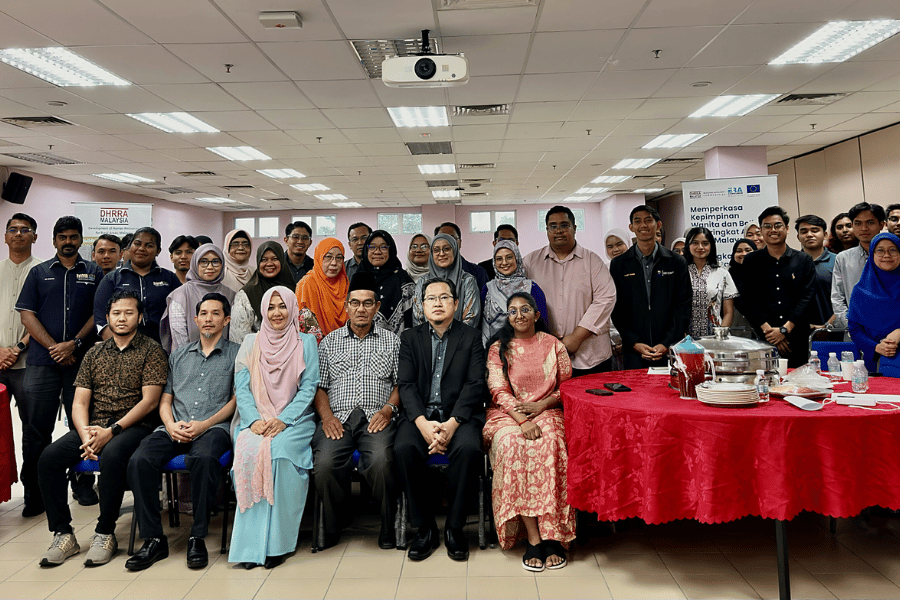
NILAI – Empowering youth and women as drivers of change at the grassroots level was the focus of the “Suara Kita, Komuniti Kita: Community Forum & Consultation” programme organised by the Development of Human Resources for Rural Areas Malaysia (DHRRA Malaysia) in collaboration with Universiti Sains Islam Malaysia (USIM) at USIM, Nilai.
The programme brought together students from USIM and other higher learning institutions, representatives of youth organisations and women-led non-governmental organisations, as well as resource persons from various organisations.
The programme formed part of DHRRA Malaysia’s initiative “Strengthening Women and Youth Leadership at the Grassroots Level in Malaysia to Enhance Participation in Governance and Inclusive Development Initiatives”, co-funded by the European Union (EU), with ERA Consumer Malaysia as a partner.
The forum provided students and young people with a platform to share their views, discuss challenges faced by local communities and explore opportunities for meaningful participation in community development and inclusive governance.
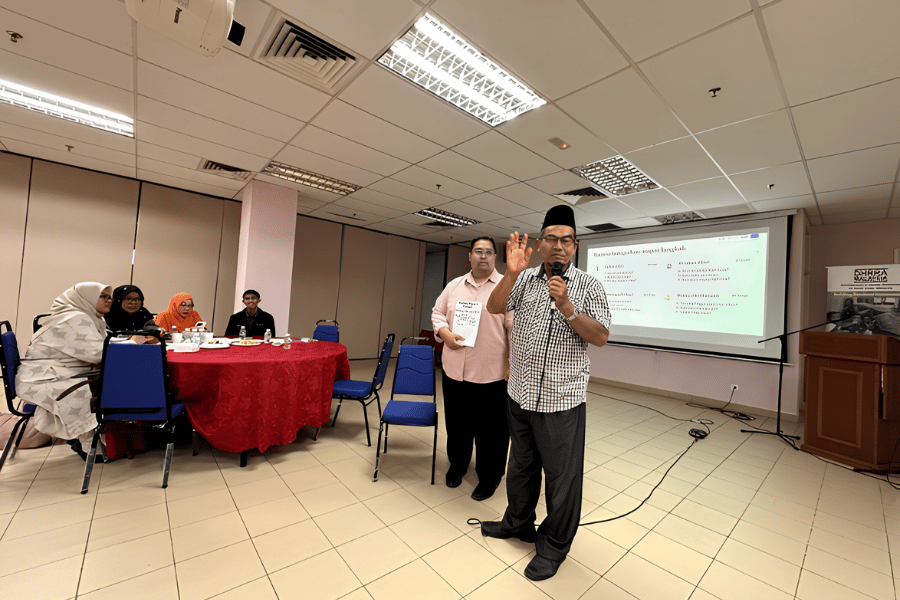
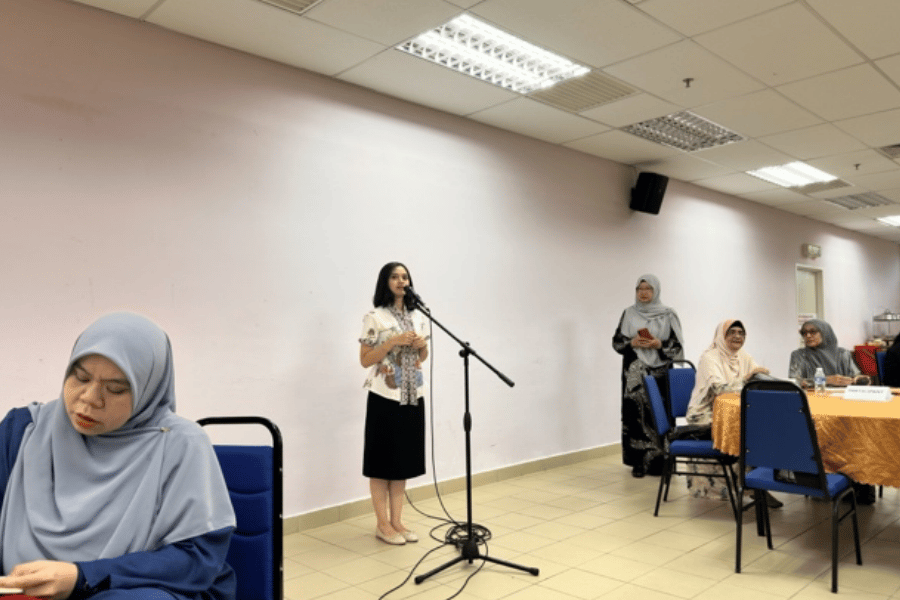
In her keynote address, Associate Professor Dr. Rodziana Mohamed Razali, Senior Lecturer and Legal & Policy Consultant at USIM, emphasised that leadership begins with every individual entrusted with an amanah, regardless of the scale of that responsibility.
She also highlighted the role of youth and women as voices within their communities, drawing examples from community movements such as Wangari Maathai’s Green Belt Movement, as well as the involvement of Malaysian youth volunteers during floods and the pandemic.
According to her, the courage to lead must be accompanied by integrity and good governance, including sound personal financial management, while resilient communities require coordinated support from institutions, civil society and public agencies.
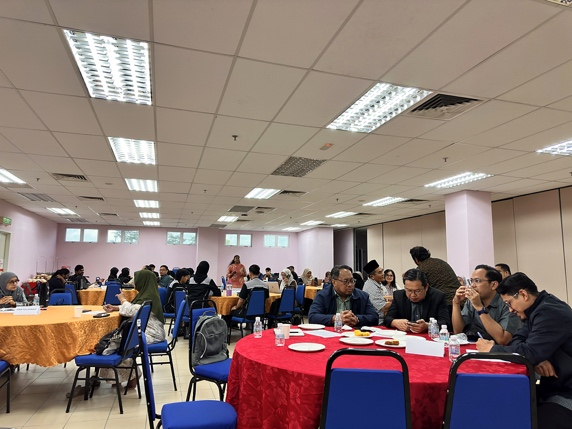
Among the key programme components was the “From Grassroots Advocacy to Community Empowerment” session, which guided participants in understanding real community issues, identifying stakeholders, developing advocacy strategies and building empowerment mechanisms that can continue beyond the completion of a project.
Participants were also introduced to the concept of zakat wakalah as a catalyst for community impact through a session delivered by Mr Ahmad Hazim Alias, Head of Shariah Advisory and Research at Lembaga Tabung Haji, who emphasised governance, accountability and impact measurement to ensure that zakat distribution creates meaningful change for asnaf.
Mental health was also addressed through the session “Are We the Source of Mental Health Stigma? From Judging to Understanding”, conducted by Ms Anne Ardzi, President of WeSTARs Malaysia, which emphasised the importance of mental health literacy and efforts to eliminate stigma within society.
Meanwhile, the “Urus Wang, Minda Tenang” session with Ms Fareha Anis binti Mohd Taib, Senior Officer at the Credit Counselling and Debt Management Agency (AKPK), provided practical guidance on budgeting, responsible use of credit and avoiding unmanageable debt.
The programme also reflected the Integration of Knowledge (Integrasi Ilmu) approach by combining aqli knowledge, including participatory governance, advocacy, Islamic social finance, mental health literacy and financial management, with naqli principles such as shura, social justice through zakat, human dignity and moderation.
This approach is aligned with the aspiration to develop young leaders who are not only equipped with knowledge and skills, but are also able to integrate values into decision-making and contribute to the development of more inclusive and resilient communities.
The programme concluded that resilient, inclusive and sustainable communities can be built when young people and women are given genuine opportunities to speak, be heard and take action, supported by collaboration among universities, civil society, financial institutions, public agencies and international partners.
Feedback and recommendations gathered throughout the consultation will be consolidated by DHRRA Malaysia and USIM to help shape future community empowerment initiatives and strengthen youth participation in governance and inclusive development.
By: Associate Professor Dr Rodziana Mohamed Razali