
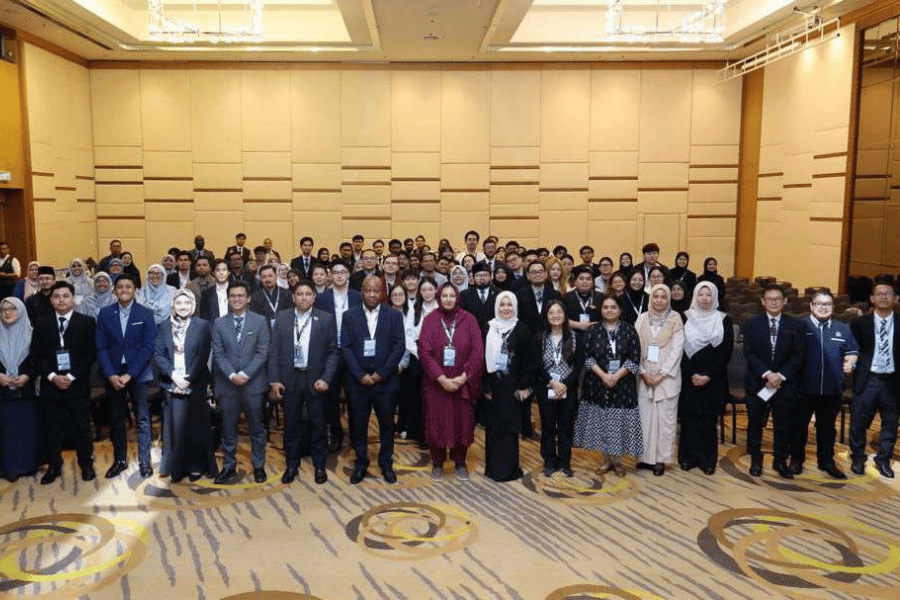
PUTRAJAYA – Universiti Sains Islam Malaysia (USIM), in collaboration with the International Labour Organization (ILO), strengthened efforts to promote Responsible Business Conduct (RBC) and human rights within Malaysia’s business and policy ecosystems through the seminar “From Policy to Practice: Institutionalising Human Rights within Malaysia’s Business and Policy Ecosystems”, held at Zenith Hotel, Putrajaya.
The seminar brought together policymakers, international experts, employers’ and workers’ representatives, academics and students from various higher learning institutions to discuss challenges and opportunities in strengthening responsible business conduct and human rights in Malaysia.
The programme formed part of the ILO project “Building Responsible Value Chains in Asia through the Promotion of Decent Work in Business Operations (Phase II)”, funded by Japan’s Ministry of Economy, Trade and Industry (METI), with the aim of strengthening enterprise compliance with international labour standards and promoting responsible and sustainable business practices in Malaysia.
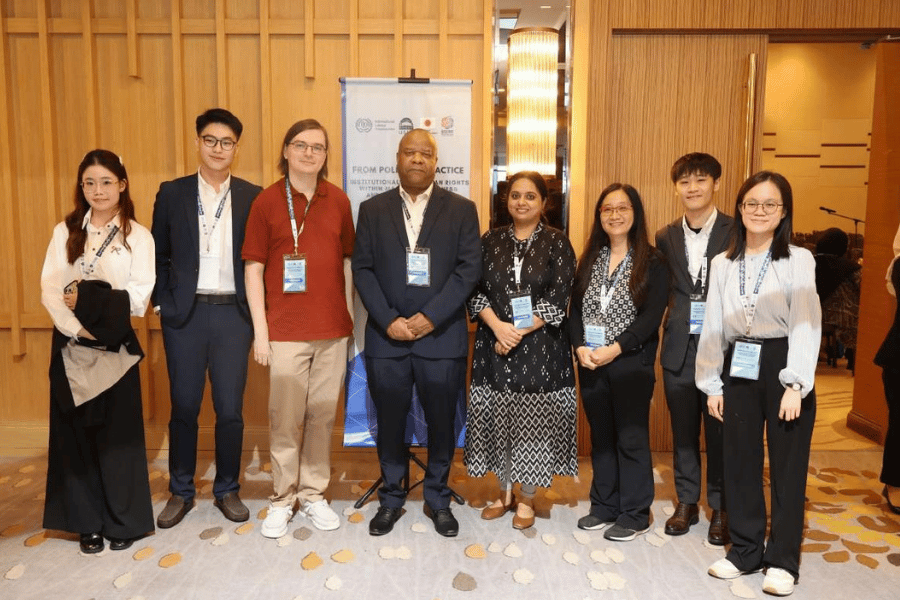
The seminar also focused on positioning RBC as a key component of modern business governance, introducing the National Action Plan on Business and Human Rights (NAPBHR) 2025–2030 from a labour perspective, exploring challenges facing Malaysia’s future workforce, and identifying opportunities for collaboration between the ILO and academic institutions to integrate RBC and Business and Human Rights (BHR) into academic curricula.
In her opening video message, Ms. Githa, Head of the ILO Multinational Enterprises and Responsible Business Conduct Unit, said that Responsible Business Conduct has become a key pillar of modern business governance and is no longer merely a voluntary undertaking.
She also highlighted the importance of ILO-USIM collaboration in bridging the gap between policy and practice, in line with USIM’s aspiration to produce graduates who are intellectually, spiritually and socially well-rounded.
The first technical session, delivered by Mr. Kelvin Sergeant, Senior Sustainable Enterprise Development and Job Creation Specialist at the ILO, discussed the global development of RBC and the need to integrate responsible business practices into everyday organisational functions, including procurement, recruitment and human resource policies, particularly in addressing issues such as informal employment, migrant labour, subcontracting and recruitment abuses.
Meanwhile, Mr. Safri Mohd Sarip, Senior Assistant Secretary at the Ministry of Human Resources Malaysia, introduced the NAPBHR 2025–2030 as a national policy framework for addressing business and human rights issues, including risks related to recruitment and supply chains, with particular attention to migrant workers and other vulnerable groups.
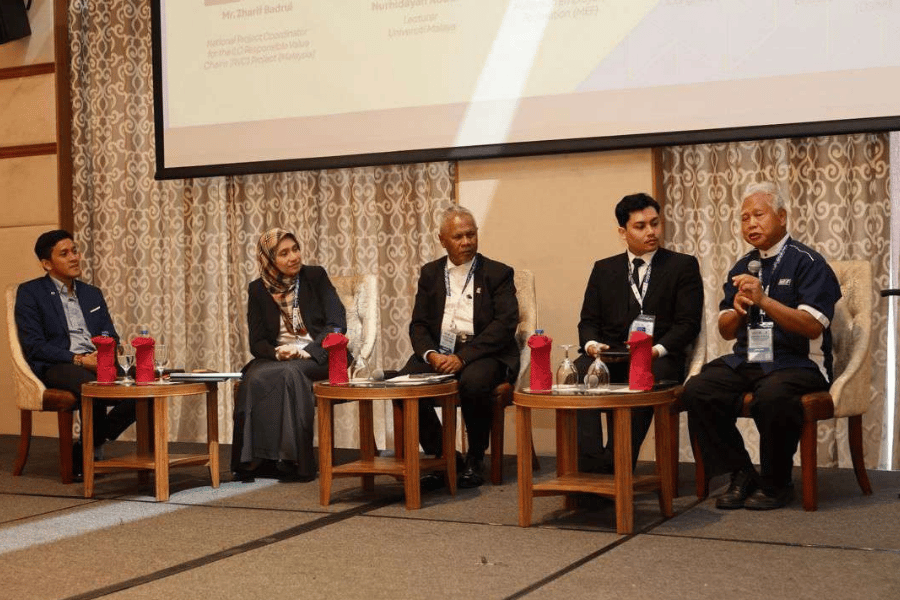
The panel discussion, moderated by Zharif Badrul from the ILO, brought together representatives from academia, employers, trade unions and the student community to discuss efforts to strengthen responsible business conduct for Malaysia’s future workforce. Key issues highlighted included the need to integrate RBC and BHR into legal education, recognise responsible business conduct as an investment, and ensure that its implementation delivers tangible outcomes such as job security and fair wages.
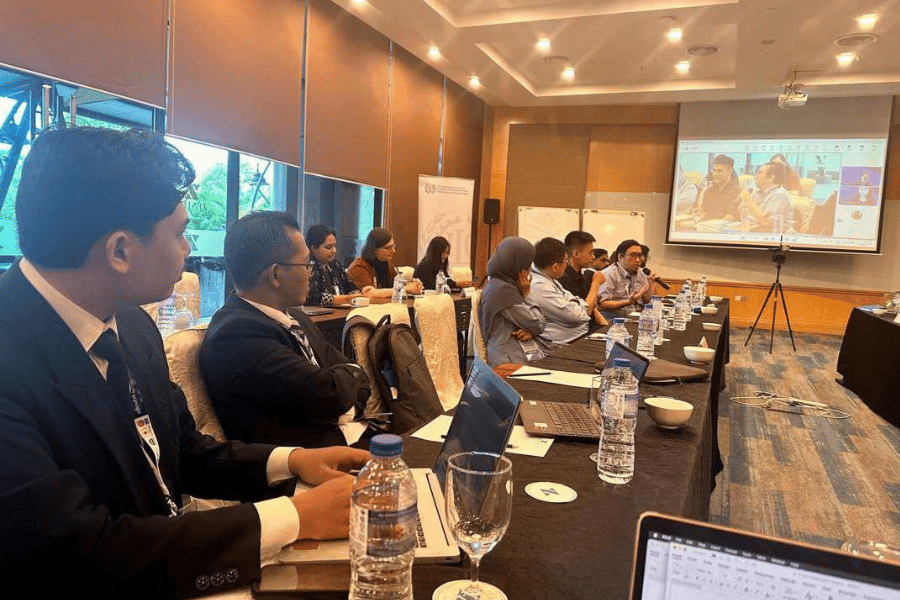
The closed-door session between the ILO and academia further explored opportunities to integrate RBC and BHR into academic curricula through approaches such as project-based learning, micro-credentials and pro bono legal or professional projects, while also identifying institutional challenges in curriculum development and approval processes.
The seminar concluded that Responsible Business Conduct is no longer optional, but a key component of modern business governance, requiring sustained collaboration among government, employers, workers, academic institutions and civil society, with education recognised as an important instrument in shaping a responsible future workforce.